

ValuEdmonton Pro Logo ValuEdmonton Pro Contact Us
Contact Us

Understanding DCF Valuation in M&A Transactions

12 min read Intermediate July 2026
Financial analyst reviewing DCF valuation spreadsheets and financial charts at desk with calculator and monitor displays

Discounted cash flow analysis sits at the heart of serious M&A work. It's how you translate a company's future performance into a price you're willing to pay today. We'll walk you through the mechanics — terminal value, discount rates, sensitivity analysis — the tools that dealmakers actually use when evaluating acquisitions.

Whether you're assessing a potential target or defending a valuation in negotiations, understanding DCF isn't optional. It's the foundation that separates confident buyers from uncertain ones.

The DCF Framework: Building From Cash Flows

A DCF model starts simple in concept: project the company's free cash flows for a forecast period — typically 5 to 10 years — then discount those flows back to today using a discount rate that reflects the risk of those cash flows.

The formula itself isn't magic. You're taking future cash and asking: what's it worth to me right now? A dollar next year isn't worth a dollar today because you could invest that dollar and earn returns. The discount rate captures both the time value of money and the business risk.

Free cash flow — the cash the business generates after capital expenditures and working capital changes — is what matters. Not revenue. Not EBITDA. Cash. This is what's actually available to debt holders and equity holders after the business funds its own growth.
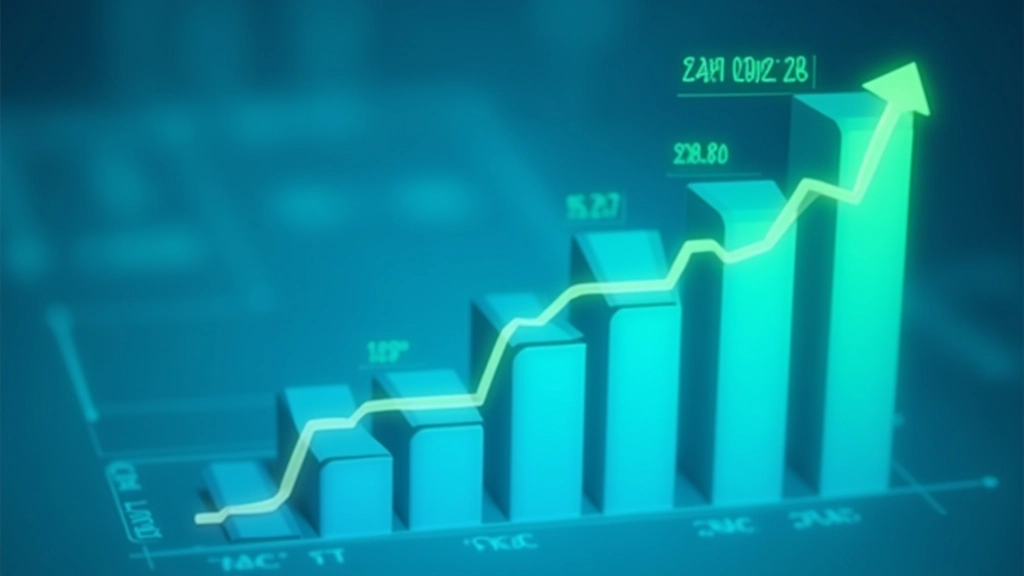

DCF valuation framework diagram showing cash flow projections timeline from Year 1 through Year 5 with discount factors
Businessman pointing at financial spreadsheet showing WACC calculation and discount rate methodology on computer monitor

Discount Rate Selection: WACC and Risk

Your discount rate is weighted average cost of capital — WACC. It's the blended cost of debt and equity financing that funds the business. Too low a discount rate and you're overpaying. Too high and you might walk away from a good deal.

Most deals use WACC in the 7–12% range, depending on the industry and company risk. A mature utility might warrant 6%. A software startup? Probably 12–15%. You're weighing the cost of borrowing against the expected return shareholders demand.

Don't set WACC in isolation. Compare it to comparable companies in the same sector. If peers in your space are trading at a 9% discount rate and you're using 15%, you need to justify why this target is riskier. Because if it's not, you're just making yourself uncompetitive.

Educational Note: Individual learning outcomes vary from person to person. DCF analysis provides a framework for thinking about valuation, but actual acquisition pricing depends on deal specifics, market conditions, and negotiation dynamics. Always consult with financial advisors and legal professionals when evaluating real transactions.


Related Articles

Business executive discussing deal structure and acquisition models in professional setting

Deal Structure Strategies: Cash, Stock, and Hybrid Models

Different acquisition structures create different tax implications and risk profiles. Explore how cash, stock, and hybrid deals work and what each means for value.

Read Article
Business team collaborating on synergy analysis and deal value identification

Synergy Modelling: Identifying and Quantifying Deal Value

Revenue synergies, cost savings, and financial synergies are what justify acquisition premiums. Learn how to model and defend synergy assumptions in deals.

Read Article
Financial professional analyzing comparable company trading multiples and valuation benchmarks

Comparable Company Analysis: Building Your Valuation Range

Trading multiples and transaction multiples form the foundation of market-based valuation. See how to build a peer group and apply multiples with confidence.

Read Article

Terminal Value: Where Most Value Hides

Here's what surprises most people: terminal value — the value of the company beyond your forecast period — often accounts for 60–80% of the total valuation. You're projecting 5 or 10 years of cash flows, then estimating the value of everything that comes after.

Two approaches dominate. The perpetuity growth method assumes the company grows at a steady rate forever (typically 2–3%, aligned with long-term GDP growth). The exit multiple method assumes you sell the company at the end of the forecast period at some earnings multiple.

Small changes in terminal value assumptions create massive valuation swings. A 0.5% difference in perpetual growth rate can shift value by 10–15%. This is why terminal value gets scrutinized hardest in negotiations. It's not precise. It's an estimate of the unknowable. Own that uncertainty.

Financial analyst working with terminal value calculations showing perpetuity growth methodology on spreadsheet
Sensitivity analysis table showing DCF valuation results across different discount rate and growth rate scenarios

Sensitivity Analysis: Testing Your Assumptions

A DCF is only as good as your assumptions. You're forecasting revenue growth, margins, capital needs, tax rates. Get one wrong and your valuation misses badly. Sensitivity analysis tests how changes in key assumptions affect the final valuation.

Most teams build a sensitivity table varying discount rate and terminal growth rate — the two biggest drivers of value. You'll see valuation ranges that might span 30–50% or more. That's normal. It's not a flaw in DCF; it's a reality check on how much your answer depends on unknowns.

Use sensitivity analysis to set negotiation boundaries. If your valuation ranges from $500M to $700M across reasonable assumptions, don't bid $750M just because someone asks. You'd be betting on the most optimistic scenario in a world where most outcomes land in the middle.

Bringing DCF Into Your Valuation Toolkit

DCF isn't the only valuation method — comparable company multiples and precedent transactions matter too. But DCF does something those methods can't: it anchors value to fundamentals. Cash flows. Growth. Risk. If you can defend those, you can defend your price.

The best dealmakers don't treat DCF as gospel. They build a model, test assumptions, run sensitivities, then compare results to market multiples. If your DCF says a company's worth $500M but similar companies trade at multiples that imply $600M, you've found a gap worth investigating. Maybe your growth assumptions are too conservative. Maybe the market's pricing in synergies you haven't considered.

Start with solid cash flow projections. Pick a defensible discount rate. Estimate terminal value carefully. Test your assumptions. Then use DCF as one lens in a disciplined valuation process. That's how you move from feeling confident about a price to knowing it.

Multiple valuation methods comparison showing DCF results alongside comparable company multiples analysis
ValuEdmonton Pro Editorial Team

ValuEdmonton Pro Editorial Team

Editorial Team

Written by the ValuEdmonton Pro editorial team, focused on practical, clear guidance for M&A professionals.

Ready to Deepen Your M&A Valuation Skills?

Explore our complete collection of M&A resources and master the frameworks that dealmakers rely on daily.

Explore All Articles